
Where Can I Find Customizable Elevator Signs?
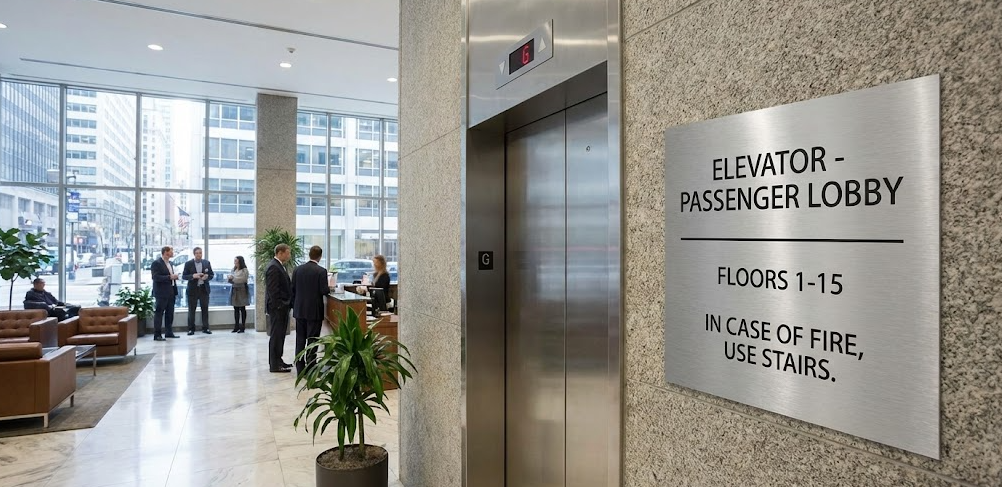 If you manage a multi-floor building, you already know how much the right signage affects the day-to-day experience of everyone who walks through it. Elevator signs are one of those things that seem minor until they are wrong. A sign with the wrong floor number, outdated branding, or wording that does not match your building’s layout creates confusion and looks unprofessional. That is why customizable elevator signs are worth seeking out. Getting the exact wording, size, and finish you need from one place saves a lot of back-and-forth. Here is where to find them and what to look for.
Why Do Elevator Signs Need to Be Customizable?
Standard off-the-shelf elevator signs cover common scenarios like floor numbers, capacity limits, and out-of-service notices. But every building is a little different. You might need a sign that lists a specific tenant name on a floor, matches a particular finish to blend with your lobby design, or carries ADA-compliant Braille alongside custom floor text. A one-size-fits-all approach rarely works well for elevator environments, especially in commercial buildings, hotels, hospitals, and residential towers where branding and compliance both matter.
That is where our customizable elevator signs make a real difference. We carry a range of options that let you adjust wording, size, material, and finish so the final product actually fits your building instead of just being close enough.
What Types of Elevator Signs Does Your Building Actually Need?
Most buildings need more than one type. Here is a quick rundown of the most common elevator signs and where each one fits:
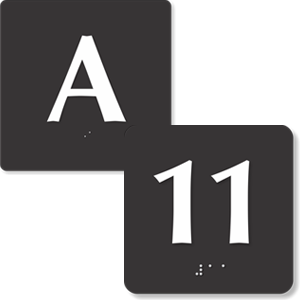
- Floor identification signs: These go inside the elevator cab or directly outside on each floor landing, telling passengers where they are. They are often the first sign people look for when the doors open, which is why getting the numbering and any floor name exactly right is so important. Our floor signs are a far better fit than generic pre-printed versions for this reason.
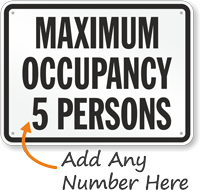
- Capacity and safety signs: Required in most commercial elevator cabs. These display maximum weight or passenger limits and any relevant safety instructions. Custom versions let you match the font and finish to the rest of your cab interior
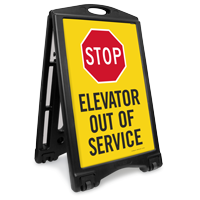
- Out of service and maintenance signs: Temporary signs that need to be clear, visible, and professional-looking. A custom version with your building management contact details looks far more put-together than a printed sheet of paper taped to the door
- ADA compliant elevator signs:If your building falls under ADA requirements, elevator signs need to meet specific criteria including raised characters, Grade 2 Braille, and correct mounting height. Our ADA elevator signs are built to those specifications so you are not left guessing on compliance.
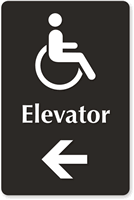
- Directional and lobby elevator signs: Signs that point people toward the elevator bank from corridors or reception areas. Custom wording and arrow placement matters here more than most people expect, especially in large or complex floor plans.
Where to Buy Customizable Elevator Signs and What to Look For
When it comes to custom elevator signs, your best options break down like this:
- Dedicated sign retailers:The most practical option for quality, range, and customization. You can configure your elevator signs directly on the product page, adjusting text, material, and finish to match your exact requirements. Everything ships ready to install, and ADA-compliant options are clearly marked throughout.
- Amazon: Good for standard pre-printed signs if you need something quickly. Customisation options are very limited and you are mostly working with generic catalogue versions that may not match your building’s look or comply with your specific requirements.
- Local print or sign shops: Can produce custom signage but may not have experience with ADA compliance specifications or the right substrate materials for elevator environments. Lead times and pricing can also be unpredictable.
Before placing any order, check three things: whether the sign meets ADA requirements if applicable, whether the material suits the environment (brushed aluminium and acrylic both hold up well in elevator cabs), and whether the supplier lets you proof the wording before it goes to print. We cover all three, and our full elevator sign range includes both standard and fully custom options across a wide range of finishes.
Whether you need a single replacement sign or a full building package, we make the whole process straightforward. Browse our range and configure exactly what your building needs.
Frequently Asked Questions
1. Do elevator signs have to be ADA compliant and how do I know if mine are?
A: If your building is covered by the Americans with Disabilities Act, yes. ADA-compliant elevator signs need raised characters, Grade 2 Braille, a non-glare finish, and must be mounted at a specific height of 60 inches to the centerline from the floor. If you are not sure whether your current signs meet the standard, compare them against ADA Standards for Accessible Design Section 407 or simply replace them with signs from MyDoorSign.com that are pre-built to spec.
2. Why does the finish on my elevator sign matter so much?
A: Elevator cabs see a lot of wear. Fingerprints, cleaning products, and constant contact with passengers and luggage all take a toll. A brushed aluminium or matte acrylic finish holds up far better than glossy plastic and looks professional for years instead of months. It also tends to blend better with the metal fixtures and polished surfaces most elevator interiors already have.
3. How do I get an elevator sign with our building name or tenant info on it?
A: We have customisation tools built directly into their product pages. You type in the text you need, pick your size and material, and see a preview before you order. No need to go back and forth with a designer or place a minimum bulk order. Single custom signs are available, which is useful when you just need one floor updated or one cab refreshed.
4. How high should elevator signs be mounted on the wall outside the doors?
A: For ADA-compliant floor identification signs outside elevator doors, the centerline of the sign should be at 60 inches from the floor, which is 5 feet. The sign should be positioned on the latch side of the door, centered on the wall, with the edge of the sign at least 18 inches from the door frame. This puts it in a consistent location that people learn to look for across any ADA-compliant building.
Category: New Products, Office courtesy